Best Elk Hunting Units in Arizona: Draw Odds, Trophy Bulls, Elk Numbers, and Hunt Difficulty
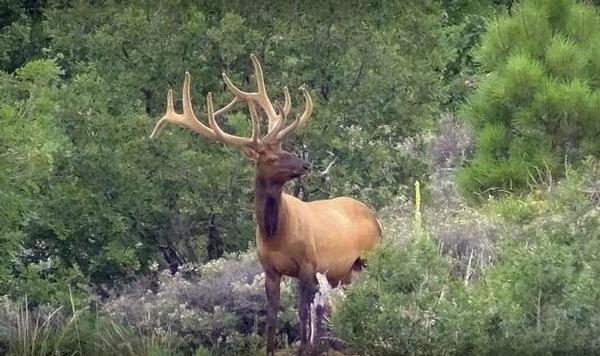
The Arizona Game and Fish Department says Arizona’s elk herd has grown to nearly 35,000 animals from the original 1913 transplant of 83 elk near Chevelon Creek (Arizona Game and Fish Department). AZGFD also publishes official elk harvest summaries, survey data, draw odds, and aging results, so hunters should always compare unit recommendations against the latest state data before applying.
This guide organizes Arizona elk units by four practical goals: easiest tags to draw, best trophy units, units with strong elk numbers, and units that balance draw odds with hunting success.
Best Arizona Elk Units by Category
CHART HERE
No unit is perfect. Arizona’s most famous elk units are hard to draw, while easier tags usually come with lower success rates, tougher access, private-land complications, or more difficult late-season hunting.
Easiest Arizona Elk Units to Draw
The easiest Arizona elk tags to draw are usually not the easiest hunts. Late archery bull tags, late rifle tags in lower-demand units, antlerless tags, and limited-opportunity hunts often provide better odds, but they can be very physically and technically demanding.
Late-season archery tags are often among the highest-draw-opportunity bull elk tags in Arizona, and late archery bull tags can offer very high draw odds in many units. The tradeoff is that these hunts happen after the rut, when bulls are quieter, more isolated, and often buried in thick or rugged cover. This will be a viable option for bull elk hunters, especially for nonresidents but there are lower success rates.
For hunters who mainly want a chance to hunt elk in Arizona, the late archery season is worth considering. Unit 23 is a strong late-archery choice because it offers a better combination of bull quality and late-season opportunity than many other options.
Limited-opportunity units can also be easier to draw, but hunters should not confuse draw odds with hunt quality or success. Units such as 2A and 2B potentially have higher-odds opportunities but often require local knowledge or access to private agricultural fields, while units such as 17A, 17B, 18B, 19B, 20A, and 20C can have more elk but complicated private-land access.
Units 15A, 15B, 18A, 17A, 17B, 18B, 19B, 20A, and 20C are potentially easier-to-draw elk units, but elk density is lower than in the best units. These units can produce good bulls, but hunters may need more scouting time and more realistic expectations because access is an issue.
Antlerless elk tags are another draw-odds option, especially for hunters focused on meat instead of antlers. Cow tags can have higher success rates than some early archery or late rifle bull hunts, but hunters should remember that applying for a cow elk tag can burn accumulated Arizona elk points.
Best Trophy Elk Units in Arizona
Arizona’s top trophy elk units are famous for a reason. Units 9, 10, 23, and 1 are identified as Arizona’s Alternative Management Units, which are managed for higher bull-to-cow ratios than standard units and are known for producing older-age-class bulls.
Among those, Units 9, 10, and 23 are widely treated as the “big three” for trophy hunters. Units 9, 10, and 23 remain strong producers that can produce exceptional bulls, especially in wet years but these have very, VERY low draw odds.
Unit 23 is one of the most consistently discussed trophy choices because it combines bull quality with huntable country. Unit 23 stands out among late rifle options because of its glassing-friendly terrain and overall huntability. The draw odds are 1.2% for Residents and 1% for Nonresidents.
Unit 10 is another high-end Arizona elk unit with a long trophy reputation among Arizona’s premier elk units, but private-land access can be a major factor there.
Units 1, 7 West, and 8 also belong in the trophy conversation. Units 7 West, 8, 9, 10, 23 are considered premier Arizona elk units with high elk densities and excellent trophy quality.
For rut firearm or muzzleloader-style trophy hunts, 23 North, 23 South, 3A/3C, 1, and 22 South are often recommended because of hunt quality and trophy potential. The downside is draw difficulty, because the most desirable early-season rifle, muzzleloader, and archery hunts can require many years of applications and bonus points. I am personally not a big fan of 3A and 3C.
Arizona Elk Units With Strong Elk Numbers
If your goal is to see more elk, start by looking at units with a reputation for higher elk density and more consistent elk use. Units 7 West, 8, 9, 10, 23 are premier units with high elk densities and excellent trophy quality.
The mid-tier Arizona elk units can be a smart place to look for elk numbers without chasing the hardest tags in the state. I would list 3B, 4A, 4B, 5B North, 5B South, 7 East, 6A, and 6B as units that are not considered the very best in Arizona but still have good elk densities.
Unit 6A deserves attention from hunters who want opportunity and are willing to trade some trophy ceiling for a more realistic application strategy. Unit 6A can offer better odds in early archery elk applications as it has historically high tag numbers, but it can get crowded. Draw odds are Residents 2.6% and Nonresidents 0.5% with no bonus points.
Hunters should also understand that elk “volume” does not always mean easy success. Some limited-opportunity areas can have higher elk numbers but complicated private-land access, which means scouting, mapping, and permission can be just as important as the unit name.
Best Units That Balance Draw Odds and Hunting Success
For most hunters, the best Arizona elk unit is not the hardest unit to draw. The better strategy is often to apply for hunts that offer a realistic path to a tag while still giving you a legitimate chance at elk by balancing draw odds, success rates, and trophy desire.
Mid-tier early archery hunts are one of the best balances of experience, trophy quality, and draw odds and so they are a strong category for hunters who want the rut experience. Units 5B South, 5A, 4A, and 4B as middle-tier early archery options. Resident/Nonresident odds: 4A 0.9%/0.1%, 4B 1.2%/0.2%, 5A 1.4%/0.2%, 5BS 1%/0.2%, 6a 2.6%/0.5%.
Unit 6A is another balanced choice for hunters who want better odds than the elite units but still want a quality Arizona elk hunt. It is a good choice for hunters looking for the best odd in the early archery category but it does have lower trophy potential. Resident with no points draw odds are 4.1%; Nonresident with no points, 0.5%.
Late rifle hunts can also offer a better draw-odds-to-success balance than premium early-season firearm hunts. Units 27, 23, Unit 1, 3A/3C, 4A, and 4B are considered preferred for late rifle hunts. And remember that late rifle success is generally higher than late archery because rifles extend a hunter's effective range. These units have extremely challenging terrain. Draw odds with no bonus points are +-1.1%.
Unit 22 can be a practical draw-odds play in late archery. Unit 22 allocates more late archery tags than many units and can take fewer points than many premium options, though late archery remains a difficult post-rut hunt. Draw odds are Resident 34% and Nonresident 5.2%.
For a first-time Arizona elk applicant, a balanced application strategy might look like this:
- First choice: A high-quality unit that fits your point level and preferred weapon.
- Second choice: A mid-tier early archery or late rifle hunt with better odds.
- Long-term strategy: Keep building points if you truly want Units 9, 10, 23, 1, or another elite trophy hunt.
- Meat-first strategy: Consider antlerless hunts but understand how Arizona elk points are affected.
Other Factors to Consider Before Choosing an Arizona Elk Unit
Arizona elk hunters should study more than draw odds and trophy photos. Terrain, access, physical conditioning, season dates, and hunt style can completely change the quality of a tag.
Terrain and Glassing Conditions
Some Arizona elk units are easier to hunt because they offer better glassing country. Broken country with good glassing angles can create better late-season opportunities, while flat, brushy country can make bulls much harder to locate even when elk are present.
Unit 23 is a good example of why terrain matters. It is repeatedly mentioned as a strong unit not only because of bull quality, but also because parts of the unit offer glassing-friendly terrain and better overall huntability.
Physical Condition of the Hunter
Late-season Arizona elk hunts can be demanding because bulls often move into secluded, rugged, and thick habitat after the rut. Late archery hunts are best suited for hunters with time, patience, technical skill, local knowledge, and strong physical preparation.
Hunters should be honest about their conditioning before applying for a unit known for steep country, long pack-outs, or thick cover. A “better” unit on paper can become a poor choice if the hunter cannot cover country, glass for long periods, or recover an elk safely.
Private Land and Access
Private-land access can make or break an Arizona elk hunt. Units 2A and 2B may require private agricultural access or intimate local knowledge, while units such as 17A, 17B, 18B,19B, 20A, and 20C can involve complicated private-land access.
Hunters should review land ownership, roads, walk-in access, water sources, and unit boundaries before applying. AZGFD says its GMU maps are for reference only and directs hunters to the Arizona Hunting Regulations for legal descriptions of Game Management Unit boundaries.
Season Timing and Antler Quality
The season you draw can matter as much as the unit. Early archery and early firearm hunts usually provide better rut activity, while late hunts often provide better draw odds but more difficult elk behavior.
Late-season bulls may have broken antlers after the rut, and can be harder to find in thick, secluded, or rugged country. If antler size is your top priority, an early-season tag in a trophy unit is usually more attractive than a late-season opportunity tag. Upper age class bulls tend to be far from any roads, often held up in the steepest, thickest parts of their home range.
Official Draw Odds and Harvest Data
Before applying, compare every unit recommendation against the current AZGFD draw odds, harvest summaries, and survey data. AZGFD publishes elk draw odds, harvest summaries, survey data, and aging results through its harvest reporting page.
Hunters should also check the current Arizona regulations before applying or hunting. AZGFD’s hunting page directs hunters to licenses, regulations, where-to-hunt resources, and hunt draw information. Arizona residents and nonresidents age 10 and older need a valid hunting license to hunt in the state.
Final Takeaway: Match the Unit to the Hunter
The best elk hunting units in Arizona depend on your priorities. If you want the biggest bull possible, focus on Units 9, 10, 23, 1, 3A/3C, 7 West, 8, and 22 South, but expect a long wait.
If you want better draw odds, look at late archery, late rifle, antlerless, and limited-opportunity hunts, but be realistic about lower success rates and tougher hunting. If you want the best balance, units like 5A, 5B South, 4A, 4B, 6A, 6b and 22 may offer a better middle ground depending on weapon type, season, points, and hunting style.
Arizona rewards hunters who study the details. The right unit is not just the one with the biggest bulls. It is the unit that matches your draw strategy, fitness, access plan, hunting skill, and expectations.
Posted in: Uncategorized
